

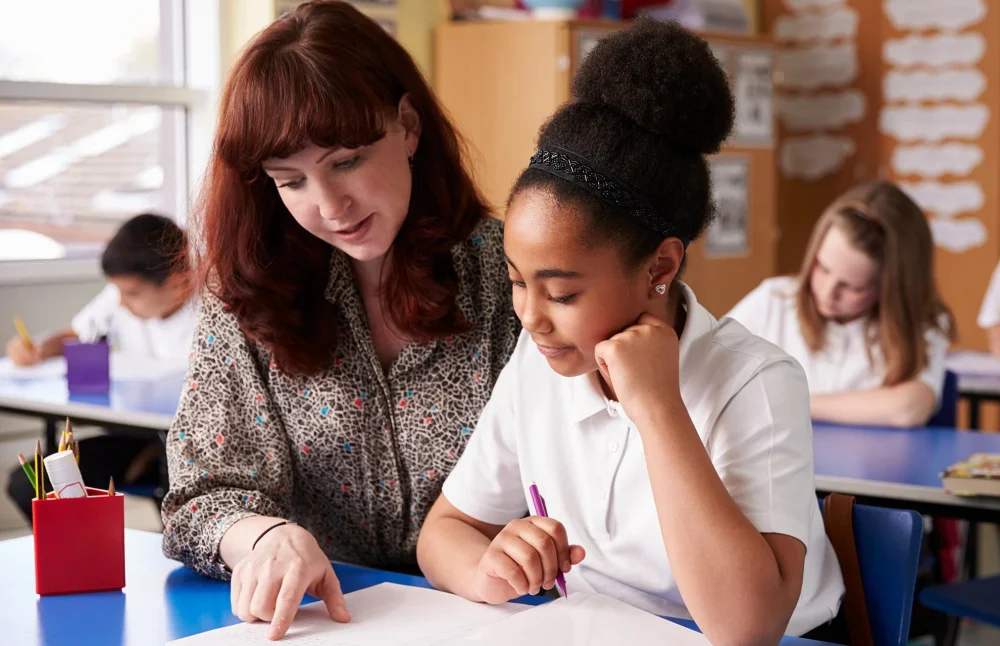
Education is one of the most powerful tools for shaping individuals, communities, and nations. It provides the foundation for personal development, social mobility, and economic growth. In today’s rapidly changing world, the value of education extends far beyond the classroom, influencing how people think, work, and engage with society.
The Role of Education in Personal Growth
From early childhood to higher education, learning plays a pivotal role in shaping character and capabilities. Education encourages critical thinking, promotes creativity, and helps individuals develop essential problem-solving skills. These skills are not only vital for professional life but also crucial for making informed decisions in everyday situations.
Building Confidence and Independence
Through structured learning and exposure to different ideas, students gain the confidence to express themselves. Education nurtures independence by encouraging learners to take responsibility for their growth, guiding them to explore interests and talents.
Lifelong Learning Mindset
Modern education is no longer limited to traditional schooling. Online resources, professional training, and community initiatives allow individuals to continue learning throughout their lives. This lifelong learning culture ensures adaptability in a rapidly evolving world.
Education as a Driver of Social Change
A well-educated population is the backbone of a progressive society. Education promotes equality, reduces poverty, and empowers communities to challenge discrimination and injustice.
Promoting Equality
When access to education is widened, barriers such as gender, class, and geographical location are diminished. Equal educational opportunities create fairer societies where everyone has a chance to thrive.
Reducing Poverty
Studies consistently show that education is directly linked to improved economic prospects. People with access to quality education are more likely to secure stable jobs, earn higher wages, and provide better living standards for their families.
Strengthening Democracy
An educated society tends to be more engaged in civic responsibilities. Education equips individuals with the knowledge to participate in decision-making, advocate for rights, and contribute to community development.
Economic Impact of Education
Education is not just a personal investment but also an economic one. Countries that prioritise education often experience higher growth rates, innovation, and global competitiveness.
Enhancing Workforce Skills
Employers seek individuals with strong technical expertise as well as soft skills such as communication and teamwork. Education provides the platform for developing both, ensuring that graduates can adapt to diverse work environments.
Encouraging Innovation
From science and technology to the arts and humanities, education drives innovation. By fostering research, experimentation, and collaboration, education helps address complex global challenges such as climate change, healthcare, and digital transformation.
Attracting Global Opportunities
Nations with strong education systems attract international partnerships, investments, and talent. This global recognition enhances both economic development and cultural exchange.
Challenges Facing Modern Education
Despite its many benefits, education faces a range of challenges that must be addressed to ensure inclusivity and effectiveness.
Unequal Access
Millions of children and adults worldwide still lack access to quality education due to poverty, conflict, or inadequate infrastructure. Bridging this gap is essential for achieving global progress.
Digital Divide
The rise of online learning has highlighted inequalities in digital access. Students without reliable internet or devices face barriers to participation, limiting their opportunities for advancement.
Quality vs. Quantity
Expanding access to education is important, but so is maintaining quality. Overcrowded classrooms, underpaid teachers, and outdated curricula can diminish the effectiveness of learning.
The Future of Education
As societies evolve, so must educational systems. The future of education lies in innovation, inclusivity, and flexibility.
Technology in Learning
Digital tools such as interactive platforms, artificial intelligence, and virtual classrooms are reshaping how people learn. These technologies provide personalised experiences, making education more engaging and efficient.
Emphasis on Skills
Future education will place greater emphasis on practical skills, critical thinking, and adaptability. This shift ensures learners are prepared for careers that may not even exist today.
Global Collaboration
Cross-border educational partnerships, student exchange programmes, and international research projects will continue to grow, fostering cultural understanding and cooperation.
FAQs about Education
Why is early childhood education important?
Early learning lays the foundation for intellectual and emotional development. It shapes behaviour, builds social skills, and strengthens cognitive abilities that influence lifelong learning.
How does education influence health outcomes?
Educated individuals are more likely to make informed health choices, access medical services, and adopt healthier lifestyles. This leads to longer life expectancy and reduced healthcare costs.
Can vocational training be as valuable as academic education?
Yes, vocational training provides hands-on experience and practical skills that are highly valued in industries such as healthcare, construction, and technology. It often leads to stable and well-paying careers.
What role do teachers play in shaping education quality?
Teachers are central to the success of any education system. Their expertise, creativity, and dedication directly influence student outcomes, making investment in teacher training essential.
Is online education a replacement for traditional classrooms?
While online learning offers flexibility and accessibility, traditional classrooms provide social interaction and experiential learning. A blended approach often delivers the best results.
How can education address climate change?
By incorporating sustainability and environmental studies into curricula, education raises awareness and equips individuals with the knowledge to take meaningful action against climate challenges.

Comments are closed.