

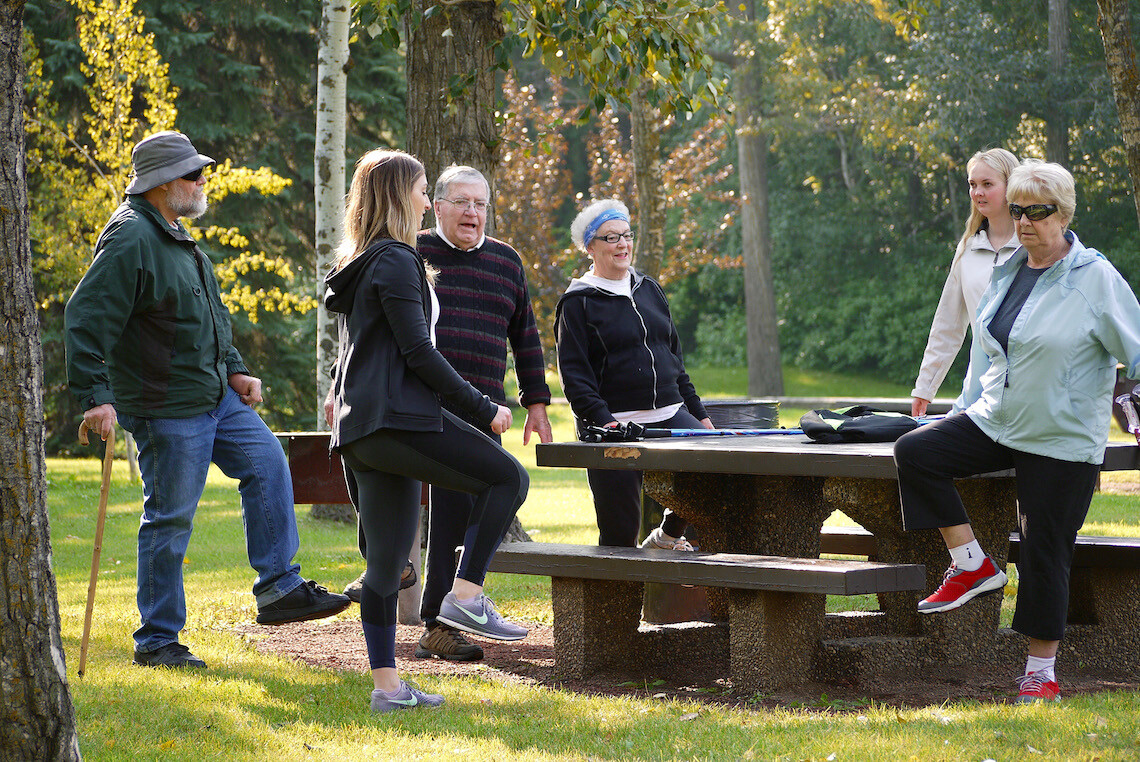
Healthy aging is not about chasing youth—it’s about maintaining strength, clarity, independence, and purpose as the years go by. While genetics play a role, daily habits have a far greater impact on how we age. With the right lifestyle choices, it’s possible to stay energetic, mentally sharp, and emotionally balanced well into later life.
What Does Healthy Aging Really Mean?
Healthy aging refers to the process of developing and maintaining functional ability that enables well-being in older age. It’s a holistic concept that includes physical health, mental resilience, social connection, and emotional stability.
Key components of healthy aging include:
- Mobility and strength
- Cognitive function
- Disease prevention
- Emotional well-being
- Independence in daily life
Nourish Your Body With Age-Supportive Nutrition
As metabolism slows with age, nutrition becomes even more critical. The goal is nutrient density, not restriction.
Smart Nutrition Strategies
- Prioritize whole foods such as vegetables, fruits, legumes, nuts, and whole grains
- Increase protein intake to preserve muscle mass
- Choose healthy fats like olive oil, avocados, and omega-3-rich foods
- Limit ultra-processed foods high in sugar and refined carbohydrates
Hydration is equally important. Many older adults experience reduced thirst signals, so drinking water consistently throughout the day supports digestion, circulation, and joint health.
Stay Physically Active—At Any Age
Movement is one of the most powerful tools for long-term vitality. Regular physical activity helps maintain balance, flexibility, bone density, and cardiovascular health.
Best Types of Exercise for Healthy Aging
- Strength training to prevent muscle loss
- Walking or cycling for heart health
- Stretching or yoga to enhance flexibility
- Balance exercises to reduce fall risk
Consistency matters more than intensity. Even 20–30 minutes of daily movement can deliver long-lasting benefits.
Protect and Strengthen Brain Health
Cognitive health is closely tied to lifestyle. Keeping the brain engaged can help slow age-related cognitive decline.
Ways to Support Mental Sharpness
- Learn new skills or hobbies
- Read regularly or solve puzzles
- Engage in meaningful conversations
- Get adequate sleep, as memory consolidation occurs during rest
Chronic stress negatively affects brain health, so stress management practices are not optional—they’re essential.
Build Strong Social Connections
Loneliness is a major but often overlooked risk factor in aging. Social interaction supports mental health, reduces depression, and even improves longevity.
Simple Ways to Stay Connected
- Participate in community groups or volunteering
- Maintain regular contact with friends and family
- Join clubs, classes, or group fitness activities
- Embrace intergenerational relationships
Human connection is not a luxury—it’s a biological necessity.
Prioritize Preventive Healthcare
Preventive care allows early detection and management of health issues before they become serious.
Key Preventive Measures
- Regular health screenings and checkups
- Staying up to date with vaccinations
- Monitoring blood pressure, cholesterol, and blood sugar
- Managing chronic conditions proactively
Partnering with healthcare professionals helps create a personalized aging strategy that evolves over time.
Support Emotional and Mental Well-Being
Emotional resilience plays a huge role in how we experience aging. A positive mindset doesn’t mean ignoring challenges—it means adapting with grace.
Mental Wellness Habits
- Practice gratitude and mindfulness
- Set realistic goals and maintain a sense of purpose
- Accept aging as a natural life stage, not a decline
- Seek professional support when needed
A healthy mind strengthens the body, and vice versa.
Optimize Sleep for Restoration and Longevity
Sleep quality often changes with age, but it remains essential for immune function, mood regulation, and cognitive health.
Tips for Better Sleep
- Maintain a consistent sleep schedule
- Limit caffeine and screen time in the evening
- Create a calm, dark sleeping environment
- Get natural sunlight exposure during the day
Restorative sleep is one of the most underestimated pillars of healthy aging.
Healthy Aging Is a Lifelong Journey
Healthy aging isn’t about perfection—it’s about progress and consistency. Small daily choices, practiced over time, shape how we feel and function in later years. By focusing on nutrition, movement, mental health, and connection, long-term vitality becomes achievable at any stage of life.
Frequently Asked Questions (FAQs)
1. At what age should I start focusing on healthy aging?
Healthy aging should begin as early as possible, ideally in your 30s or 40s, but it’s never too late to benefit from positive lifestyle changes.
2. Can strength training really help older adults?
Yes. Strength training helps maintain muscle mass, improves balance, supports bone density, and reduces the risk of falls and injuries.
3. How does mental health affect physical aging?
Mental health influences inflammation, immune response, and lifestyle habits. Chronic stress and depression can accelerate physical aging.
4. Are supplements necessary for healthy aging?
Supplements may help address specific deficiencies, but they should not replace a balanced diet and should be taken under professional guidance.
5. How important is purpose in aging well?
Having a sense of purpose is linked to better mental health, lower mortality risk, and greater life satisfaction in older adults.
6. Can lifestyle changes reverse signs of aging?
While aging itself can’t be reversed, healthy habits can significantly slow functional decline and improve overall quality of life.
7. What is the most overlooked factor in healthy aging?
Social connection is often underestimated, yet it plays a crucial role in emotional health, cognitive function, and longevity.
If you’d like, I can also adapt this article for SEO optimization, blog publication, or healthcare-focused audiences—just say the word.

Comments are closed.